


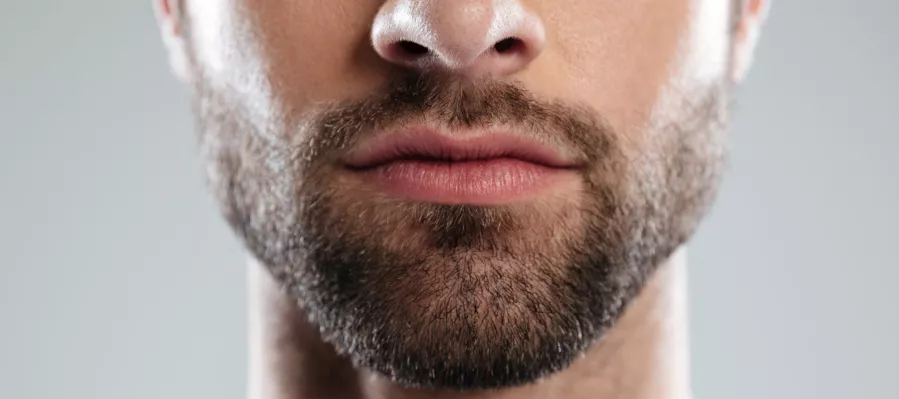
5 Things to Consider Before a Beard Transplant
Thinking about a beard transplant brings up a mix of excitement and questions. You may imagine a sharply defined jawline or fuller cheeks that balance your features. You also want to avoid surprises. A strong result depends less on hype and more on smart preparation: understanding candidacy, choosing the right technique and team, setting a realistic budget, and mapping out the days before and after surgery. This guide walks you through the five essentials to consider before a beard transplant so you go in confident and come out with results that look like you—only more you.
1) Are You a Good Candidate? (Candidacy, Expectations, and Timing)
Candidacy starts with the cause of your patchiness. Many men have genetic thinness in the cheeks or sparse density along the jaw. Others have scarring from acne, burns, or injuries. Autoimmune conditions, hormonal imbalances, and nutritional deficiencies can also play a role. A reputable surgeon will first rule out reversible causes and stabilize any active hair loss before suggesting surgery. If you’re still rapidly thinning in the scalp donor area or you’re dealing with untreated medical issues, patience pays off—addressing those factors now protects your long-term outcome.
Donor quality is the next pillar. Most beard transplants use follicles from the back and sides of the scalp, where hair resists miniaturization. Coarse, wavy scalp hair often blends well with beard texture, while very fine hair may require careful planning to avoid a wispy look. Density matters too: if your donor area is limited, a conservative design that frames the goatee, moustache, and jawline may look stronger than trying to blanket the entire cheek with thin coverage.
Finally, expectations shape satisfaction. A transplant redistributes hair; it doesn’t create new follicles. Think in terms of strategic coverage and natural growth patterns rather than a painted-on beard. A style that suits your face at 35 should also make sense at 55. The best outcomes strike a balance between your goals and what your donor area can safely deliver over a lifetime.
2) Technique and Design: FUE, Implanter Pens, and Directionality
Most surgeons use FUE (Follicular Unit Extraction) for beard work. Individual grafts are removed with tiny punches and then implanted into micro-channels that determine angle, direction, and curl. Some clinics use implanter pens (often called DHI techniques) to place grafts directly; others create sites first and then insert follicles with micro-forceps. The tool matters less than the artist using it. What you should assess is the clinic’s command of beard-specific details: steeper angles along the jawline, flatter angles and softer singles along the upper cheeks, and careful alignment around the moustache to avoid cross-hatching.
Design is where naturalness happens. A defined but slightly irregular outline looks real; a ruler-straight cheek line can appear drawn on. Density should taper subtly toward the edges. If you wear very short stubble, precise placement and uniform direction are critical because everything is visible at close range. For longer beards, curl compatibility becomes more important; your surgeon may choose certain scalp zones as donor because their hair shaft thickness and bend better match facial hair.
3) Surgeon and Clinic Selection: Involvement Over Marketing
Marketing can make any clinic sound flawless. Focus instead on verifiable surgeon involvement. Who creates the recipient sites? Who oversees extraction? Who designs the beard outline with you? Ask to see consistent, high-resolution before-and-afters taken in similar lighting and angles, not just a few hand-picked shots. Look for results that match your starting point and skin–hair contrast. If your complexion is light and your hair is dark, for example, you’ll need meticulous site creation to avoid a dotted appearance at the edges.
Transparency matters. You should receive a clear surgical plan with estimated graft numbers, a strategy for donor conservation, and frank discussion of risks: overharvesting, shock loss to nearby native hair, ingrown hairs, or temporary pimples as grafts mature. Clinics that prioritize ethics will tell you when a smaller, staged approach makes more sense than a one-day “max grafts” promise. That caution is a feature, not a bug.
4) Budget, Travel, and True Cost (Not Just the Headline Price)
Prices vary widely by country, surgeon reputation, and session size. Some centers quote per-graft; others bundle. The cheapest option isn’t always the best value if it gambles with your donor reserve. Think beyond the surgery fee: pre-op labs, travel, accommodation, time off work, prescriptions, aftercare products, and potential adjunct therapies like PRP all add to the total. If you’re traveling, build in a buffer for a next-day checkup and early wash—and confirm how follow-up will work once you’re home.
Plan with the future in mind. If you foresee wanting more coverage later, protect your donor area now. A well-planned first session that focuses on high-impact zones often looks better and ages better than a thin “everywhere” approach that leaves no reserves for refinement.
5) Preparation and Aftercare: The Quiet Work Behind Great Results
Good habits before surgery improve graft survival and make recovery smoother. Avoid nicotine and alcohol as advised; both can affect healing and blood flow. Tell your surgeon about all medications and supplements—blood thinners, high-dose fish oil, and certain herbs can increase bleeding. For several days before the procedure, treat your skin gently: no aggressive exfoliation or new products that could irritate. On surgery day, arrive with clean skin and wear a button-down top so you don’t drag fabric across the grafts when you change.
Afterward, follow the washing routine precisely and sleep with your head slightly elevated for a few nights to limit swelling. Expect tiny crusts that shed in the first 7–10 days. A shedding phase is normal as follicles reset; growth typically starts around the third month, with noticeable improvements between months six and nine. By 12–15 months, most people see the final caliber and density, although moustache hairs can take a bit longer to fully thicken.
FAQs
How Long Will a Beard Transplant Take to Look Full?
Right after the procedure, the area looks denser because the shafts are present, but many of those hairs shed in the first few weeks. New growth usually appears by month three, initially thin and sometimes lighter in color. Months six through nine bring meaningful coverage, especially along the jawline where blood supply is robust. Full maturation tends to land between 12 and 15 months. If you’re aiming for a dramatic, lumberjack-level beard, you may still benefit from a small refinement session once the first result has stabilized—particularly to sharpen edges or reinforce sparse patches.
Will It Look Natural Up Close?
Naturalness is less about how many grafts you place and more about where and how you place them. Single-hair grafts belong at the outline; doubles and triples sit deeper to create bulk without a dotted border. Direction matters: cheek hairs angle downward; chin hairs arc slightly forward; moustache hairs point with a gentle fan. When those rules are respected, stubble looks uniform, and longer beards flow without odd kinks. Skin–hair contrast also influences the “realness” test: the higher the contrast, the more meticulous the site creation must be to avoid visible pitting or misdirection.
What Should I Ask During the Consultation?
- Who designs the beard outline and creates the recipient sites—the surgeon or a technician, and how long will the surgeon be present?
- How many grafts are planned by region (cheeks, jawline, moustache, soul patch), and why that distribution?
- What is your approach to directionality and angulation to prevent cross-hatch patterns?
- How do you preserve donor area health if I need a future session?
- What are typical complications in your practice and how are they handled?
- May I see standardized, high-resolution before-and-afters for cases that resemble mine?
- What does aftercare look like day-by-day, and who answers questions once I return home?
Do I Need Medication Like Minoxidil or Finasteride After a Beard Transplant?
Beard follicles taken from the permanent scalp zone are generally resistant to hormonal miniaturization, so they don’t require finasteride for survival. That said, some patients use minoxidil to support early growth or to help nearby native facial hairs appear fuller; others skip it and still do well. If your scalp hair is thinning, your surgeon may recommend medical therapy to protect the donor area and your hairstyle overall. Treat a beard transplant as part of a broader plan for hair health rather than a standalone fix.
Will Scalp Hair Match Beard Texture and Color?
Often it blends nicely, especially if your scalp hair is medium to coarse. The mustache and chin naturally grow thicker strands, so placing stronger grafts in those zones enhances the match. If your scalp hair is straight and your beard is very curly, the surgeon can prioritize donor regions with more wave or plan densities that look right when trimmed to your typical length. Color match is usually excellent; even small differences become invisible once you trim or let the beard grow a few millimeters.
Are There Risks I Should Weigh?
Every surgery carries risks, though serious issues are uncommon with proper technique. Expect temporary redness, pinpoint scabbing, and mild swelling. Some people develop small pimples as new hairs emerge—warm compresses and routine care usually settle them quickly. Overharvesting can leave visible thinning in the donor area, which is why conservative planning matters. Rarely, ingrown hairs or small surface irregularities occur; experienced clinics have protocols to minimize and manage these. Choose a team that talks openly about drawbacks instead of glossing over them.
What Should I Prepare for Surgery Day and the First Week?
- Arrange a ride home, a travel pillow, and clean pillowcases; plan to sleep slightly elevated for two to three nights.
- Stock gentle cleanser, saline spray if advised, prescribed pain relief, and any antibiotics or anti-inflammatories.
- Wear a button-down or zip-up top to avoid dragging fabric across fresh grafts.
- Avoid alcohol and nicotine per your surgeon’s timeline; disclose all meds and supplements.
- Set phone reminders for wash times and check-ins; protect the area from sun, helmets, and bumping.
When Can I Shave or Trim?
Most clinics ask you to avoid shaving the transplanted zones until the grafts are secure and crusts have fallen away—usually around the two-week mark, though timing varies. Start with a guarded trimmer rather than a bare razor. If you prefer a clean-shaven look in certain areas, wait for your surgeon’s green light; an early wet shave can dislodge new grafts. As growth matures, you’ll find your usual routine again, whether that’s defined edges or a fuller, natural line.
How Many Grafts Do I Need for a Full Beard?
Numbers depend on face size, hair caliber, and your preferred style. A light enhancement of the cheeks and jawline might use 1,000–1,500 grafts. A dense, fully reconstructed beard can require 2,000–3,500 across cheeks, jaw, chin, and moustache. Coarser, curlier hair yields more visual coverage per graft, while fine, straight hair may need higher counts for the same look. Rather than chasing a number, align on a design that makes a visible difference now and preserves donor options later.