


5 Things to Consider Before a Hair Transplant
Thinking about a hair transplant is exciting and a little daunting. You want natural-looking density, a confident hairline, and a smooth recovery. The best outcomes happen when you slow down and prepare well. Below, you’ll find the five key areas to consider before a hair transplant, plus practical answers to common questions. This guide keeps the focus on clarity, realistic expectations, and the choices that actually move the needle for long-term results.
1) Are You a Good Candidate? (Candidacy, Expectations, and Timing)
Not everyone with thinning hair is immediately ready for surgery. Candidacy hinges on three pillars: the type of hair loss, the quality of your donor area, and your expectations. Male-pattern baldness (androgenetic alopecia) is the most common reason people pursue grafting. If your hair loss is diffuse, rapidly progressing, or related to an untreated medical condition (thyroid issues, iron deficiency, autoimmune disease), a surgeon may suggest stabilizing it first with medical therapy.
Your donor area—usually the back and sides of the scalp—needs enough permanent follicles to supply the balding zones without overharvesting. A skilled surgeon evaluates donor density, hair shaft diameter, curl, and colour contrast with your skin. These factors determine how many grafts you can safely move and how “thick” the transplant will appear. Timing also matters: if you’re very young and still losing hair quickly, it’s often wiser to control shedding with medication, document your pattern over time, and revisit surgery once the trajectory is clearer.
Expectation setting is the final piece. A hair transplant redistributes hair; it doesn’t create new follicles. The magic is in design, placement, and the illusion of density. A conservative, age-appropriate hairline looks better at 55 than an ultra-low design chosen at 25. Go in understanding both your current limitations and your long-term plan.
2) Technique Matters: FUE, FUT, and DHI
Most modern procedures fall into two categories: FUE (Follicular Unit Extraction) and FUT (Follicular Unit Transplantation, sometimes called “strip”). With FUE, the surgeon removes individual grafts using tiny punches, leaving dot-like marks that are usually hard to see once hair regrows. With FUT, a strip of scalp is removed from the donor region and dissected under microscopes into follicular units; this allows a high graft yield but leaves a linear scar that can be hidden by hair of moderate length.
DHI (Direct Hair Implantation) is a variation of FUE, often using implanter pens that place grafts directly into the scalp. The potential benefit is tighter control over angle and direction during implantation; the trade-offs include surgeon skill, team experience, and cost. Technique is only half the story—execution is everything. A talented, ethical surgeon can deliver excellent results with either approach by matching the method to your donor characteristics, hairstyle goals, and scarring tolerance.
3) What Should You Look For in a Hair Transplant Clinic?
- Board-certified surgeon involvement from consultation to design to critical surgical steps (extraction, site creation, and supervision of implantation).
- Transparent, realistic planning that prioritizes donor preservation over “maximum grafts.”
- A portfolio of high-resolution, consistent before-and-after photos and videos under similar lighting and angles.
- Clear graft accounting (you should know how many were harvested and placed) and written consent outlining risks, complications, and aftercare.
- Strict hygiene standards, dedicated surgical rooms, and a stable, trained technician team (not revolving staff).
- Individualized hairline design that suits your facial proportions, age, and long-term hair loss pattern.
- Honest discussion about medical therapy (e.g., finasteride, minoxidil) to protect non-transplanted hair.
- Real patient references or verified reviews that mention doctor involvement, not just clinic coordinators.
4) Cost vs. Value: Budgeting Without Compromising Quality
Hair transplant pricing varies widely by country, city, and clinic reputation. Some centres quote per-graft fees; others offer packages. Resist the urge to compare clinics by price alone. A “cheap” mega-session can permanently deplete your donor area, leaving few options if you thin further. Value comes from artistry, donor conservation, and long-term planning. Ask how many sessions you might need over a lifetime, not just today.
Consider the full cost of success: pre-op lab work, travel and accommodation (if you’re going abroad), prescriptions, aftercare kits, follow-up visits, potential adjunct therapies (PRP, low-level laser), and time off work. Budget for contingencies as well. If you’re stretching financially, it’s often smarter to postpone surgery, stabilize with medical therapy, and save for the surgeon you truly trust.
5) Pre-Op Preparation and Aftercare Planning
- Disclose medications, supplements, and health conditions; follow your surgeon’s guidance on pausing blood thinners or herbal products that increase bleeding.
- Avoid alcohol and nicotine for the recommended window; both can affect healing and graft survival.
- Follow pre-op washing instructions; arrive with clean hair and no styling products.
- Arrange comfortable transportation and a neck pillow for the first nights; plan to sleep slightly elevated to reduce swelling.
- Stock gentle shampoo, saline spray (if advised), and any prescribed antibiotics, anti-inflammatories, or pain relief.
- Wear a button-down or zip-up top on surgery day to avoid pulling fabric over grafts.
- Clear your calendar for the first week; protect the scalp from sun and accidental bumps.
- Set reminders for post-op washes, spray intervals, and follow-up appointments.
FAQs
How Long Until I See Results?
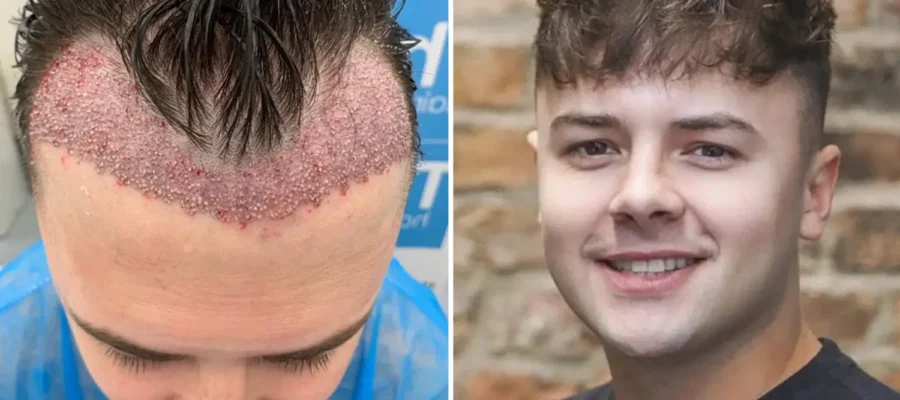
You’ll notice tiny scabs in the first week, followed by a “shedding phase” where transplanted hairs often fall out—a normal reset as follicles enter a resting stage. Around three months, early regrowth begins: thin, wiry strands that gradually thicken. Months six to nine bring meaningful cosmetic change, and the final texture and density usually settle between 12 and 18 months. Crown areas commonly mature a little slower than the hairline because of blood supply differences and hair calibre. Patience pays off; monitor progress with monthly photos rather than daily mirror checks.
Will a Hair Transplant Stop Future Hair Loss?
A transplant moves resistant follicles from the donor area, but it doesn’t freeze your biology. Non-transplanted hair can still miniaturize over time. That’s why surgeons often integrate medical therapy—finasteride to reduce DHT’s impact, topical or oral minoxidil to extend growth cycles, and lifestyle changes that support scalp health. Think of surgery as one component in a broader, ongoing strategy. Regular check-ins let your doctor fine-tune medications as your pattern evolves.
FUE vs. FUT—Which Is Better for Scarring?
Both leave scars, but they differ in form. FUE dots are scattered and often inconspicuous with short hair, while FUT results in a single linear scar that a skilled surgeon can keep fine and low. If you like very short fades, FUE may fit your style; if you need maximum grafts and don’t mind wearing hair a bit longer, FUT can be efficient. The “best” choice is the one that aligns with your haircut preferences, donor characteristics, and long-term plan, not a generic internet verdict.
Does It Hurt?
Most patients describe the procedure as surprisingly tolerable thanks to local anaesthesia. You’ll feel initial numbing injections, then pressure and movement rather than pain. Afterward, mild soreness or tightness is common for a few days (especially with FUT). Over-the-counter pain relief usually manages it. Swelling can drift to the forehead or around the eyes on days two to four; sleeping elevated and following your aftercare plan keeps it brief.
How Many Grafts Do I Need?
It depends on your goals, hair characteristics, and the size of the thinning area. Coarse, wavy, or dark hair against lighter skin creates better coverage per graft than fine, straight hair with high colour contrast. A conservative hairline and strategic spacing can deliver a strong cosmetic impact with fewer grafts than an aggressive, low design. Your surgeon should map a multi-year plan that preserves donor reserve for future needs rather than chasing maximum numbers in one sitting.
Can Women Have Hair Transplants?
Yes—female-pattern hair loss, traction alopecia, and hairline lowering are all indications. Evaluation is particularly important because women often have more diffuse thinning, which requires careful planning to avoid harvesting from miniaturized donor areas. Medical work-up (iron, hormones, autoimmune screens) may play a larger role. With proper selection and a tailored technique, women can achieve subtle, confidence-boosting improvements.
What About PRP or Low-Level Laser Therapy?
Adjunct treatments can support native hair and sometimes improve the calibre of transplanted strands as they mature. PRP (platelet-rich plasma) involves using your own growth factors; laser devices aim to stimulate follicles and reduce inflammation. Results vary, and these therapies should complement—not replace—sound surgical planning and evidence-based medication. Discuss timing; many clinics start adjuvants after early healing to avoid interfering with grafts.
How Do I Choose a Natural Hairline Style?
Great hairlines look like they were always yours. That means micro-irregularities at the edge, slightly lower density in the first few millimetres, and angles that echo your native swirl and temple recessions. A mature hairline typically sits a bit higher than a teenage one, balancing aesthetics today with appropriateness decades from now. Bring reference photos, but trust your surgeon’s eye for proportion and your facial features. The goal is believability under all lighting, not just a dramatic “after” photo.
What If I’m Traveling Abroad for Surgery?
Medical tourism can combine skilled surgeons with favourable pricing, but logistics matter. Build in extra days for initial recovery and follow-up checks. Confirm who performs the key steps of your surgery, how you’ll receive aftercare support once you fly home, and what happens if you need a touch-up or have a complication. Keep lines of communication open—secure messaging, photo updates, and scheduled virtual reviews help ensure continuity of care.