


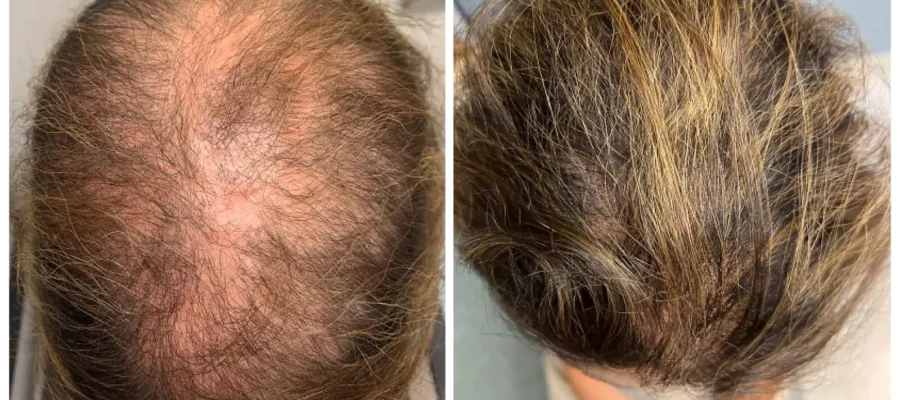
Yes, using minoxidil after a hair transplant can improve results and support faster hair growth.
Doctors often recommend minoxidil to strengthen transplanted grafts and protect existing hair. It increases blood flow to the scalp and extends the hair growth phase. This effect can reduce shock loss after a hair transplant procedure. Minoxidil also helps thicken native hair surrounding the transplanted area. Most surgeons advise starting minoxidil a few weeks after surgery. Always follow your doctor’s instructions for safe use. Consistent application improves long-term hair transplant results and supports healthier hair density.
Minoxidil After Hair Transplant
Minoxidil after hair transplant helps stimulate hair growth and prevent shock loss in the newly transplanted area. This topical solution enhances blood circulation to hair follicles, supporting stronger and healthier regrowth. Many doctors recommend starting minoxidil two to four weeks after the procedure, depending on scalp sensitivity.
It can improve density and support the growth of both transplanted and existing hair. Regular use may also speed up the hair growth cycle, leading to quicker visible results. However, it’s essential to follow your surgeon’s advice for proper timing and application. Using minoxidil consistently can significantly enhance the long-term success of a hair transplant.
What Is Minoxidil?
Minoxidil is a topical medication used to treat hair loss and promote hair regrowth.
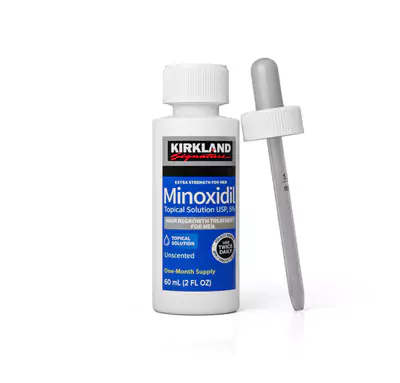
It was originally developed to treat high blood pressure. Doctors later discovered it promotes hair growth as a side effect. Today, people commonly use minoxidil for androgenetic alopecia, also known as male or female pattern baldness. It works by increasing blood flow to hair follicles and extending the hair growth phase. This process helps thicken existing hair and slow hair thinning. Minoxidil is available over the counter as a solution or foam. Consistent use is essential for visible results. Most users notice improvement after three to six months of regular application.
Benefits for the Donor Area
While the focus is usually on the recipient area where the hair is implanted, the donor area also requires attention and care. The back and sides of the head from where the grafts are harvested undergo significant trauma, whether through FUE or DHI methods.
Although these areas heal relatively quickly, shock loss can occasionally occur in the donor zone as well due to over-harvesting or circulation issues. Applying Minoxidil to the donor area can accelerate the regeneration of the remaining hair and improve the overall density of the back of the head. It promotes faster healing of the micro-scars by improving blood flow, ensuring that the donor area looks untouched and uniform within a shorter timeframe.
Side Effects and Management
Although Minoxidil is an FDA-approved and generally safe medication, it is not without potential side effects. Users may experience local reactions such as itching, dryness, or scaling of the scalp. In rare cases, systemic absorption can lead to dizziness or heart palpitations, although this is uncommon with topical usage.
In the post-transplant period, the most common issue is irritation caused by the vehicle agents in the solution. If severe irritation occurs, patients are advised to stop the application immediately and consult their specialist. Switching from liquid to foam or reducing the frequency of application can often resolve these issues. It is crucial to monitor the scalp condition closely during the first few weeks of usage.
The Role of Minoxidil in Female Hair Transplants
Female hair loss patterns and transplant procedures differ slightly from those of males, and Minoxidil usage is equally important in these cases. Women are often more prone to diffuse thinning and shock loss after surgery. The 2% or 5% Minoxidil solutions are standard recommendations for female patients to bolster hair density.
Since women often do not shave their heads for the procedure, applying the solution can be slightly more cumbersome, but it is vital for protecting the existing hair. It prevents the miniaturization process and ensures that the transplant blends naturally with the long existing hair. The risk of facial hair growth is a specific concern for women, so careful application is advised to prevent the solution from dripping onto the face.
Frequently Asked Questions
When exactly can a patient start using Minoxidil after hair transplant?
Most patients can start using minoxidil two to four weeks after a hair transplant.
Is the foam version better than the liquid version for post-op care?
The foam version is often preferred for post-operative patients due to its lower irritation profile.
Will using Minoxidil prevent shock loss completely?
No, using minoxidil cannot completely prevent shock loss after a hair transplant.
Can Minoxidil damage the newly transplanted grafts?
No, minoxidil does not damage newly transplanted grafts when used at the right time.
How long should a patient continue using Minoxidil after hair transplant?
Patients should continue using minoxidil for at least six to twelve months after a hair transplant.
Does Minoxidil help the donor area recover faster?
No, minoxidil does not significantly speed up donor area recovery after a hair transplant.
Is it normal to experience more shedding when starting Minoxidil?
Yes, a temporary increase in shedding is a common and expected side effect when starting the treatment. T
Can women use Minoxidil after hair transplant safely?
Yes, women can safely use minoxidil after a hair transplant when approved by their surgeon.
Does Minoxidil have systemic side effects like heart palpitations?
Yes, minoxidil can rarely cause systemic side effects like heart palpitations.
What happens to the transplanted hair if Minoxidil is stopped?
Stopping minoxidil does not affect permanently transplanted hair, but it may impact surrounding native hair.